
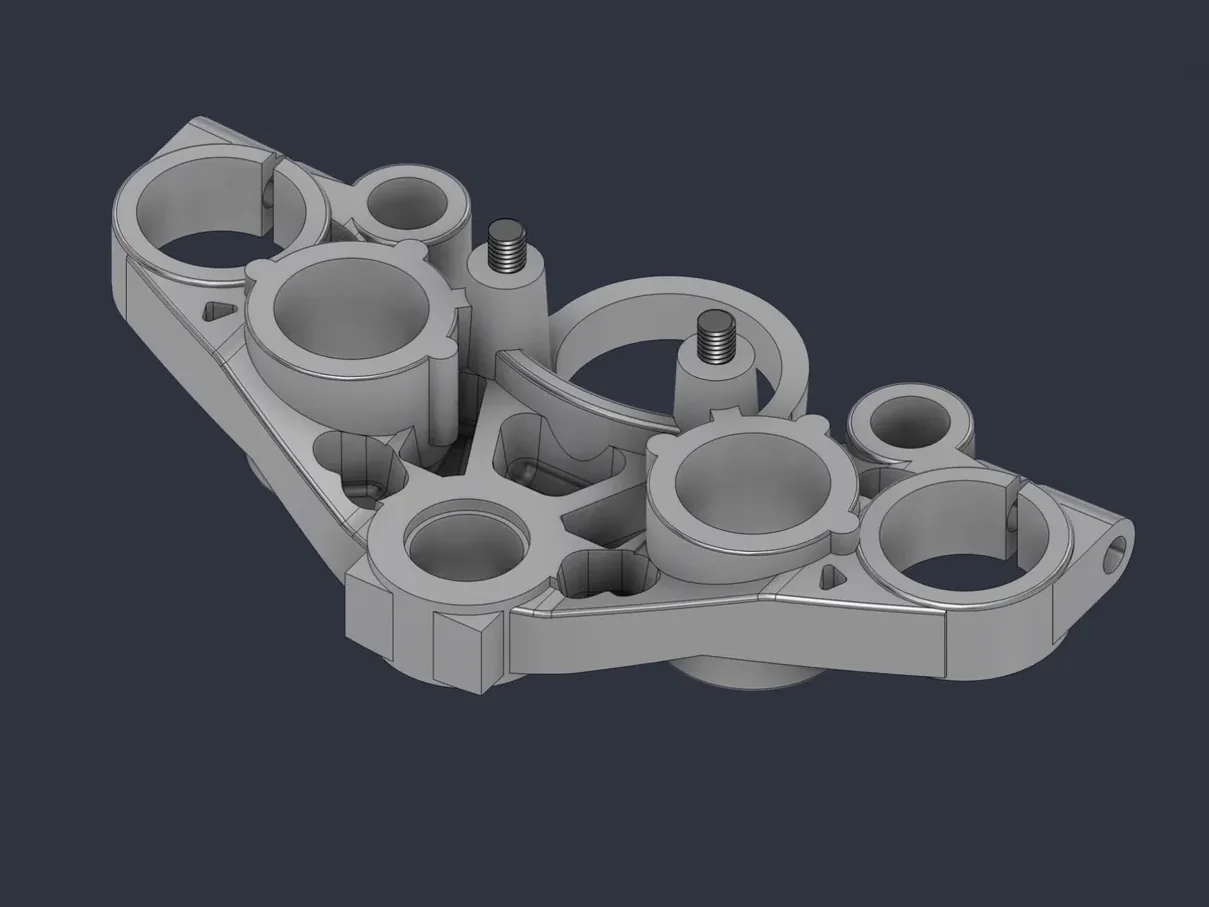
Rebuilding a cast triple clamp from a 3D scan
An Artec 3D scan of a motorcycle triple clamp, rebuilt as a parametric model in 37 sketches. Change a bore, the spacing, or the web, and the casting rebuilds around it.
Read the case study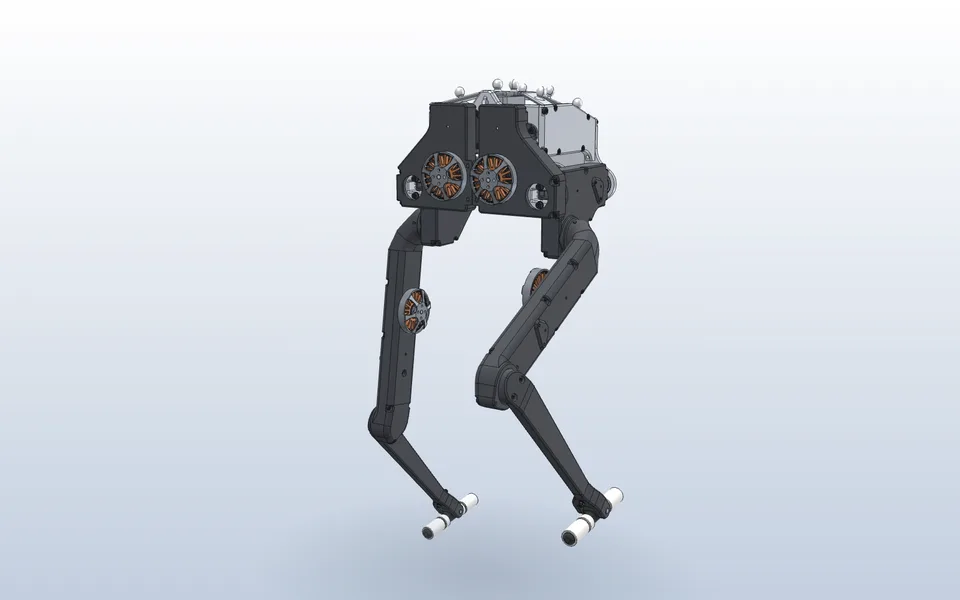
Vector mates each joint to the pulley that drives it, sweeps the hips and knees with Interference Detection, and adds limit mates before anything collides.
See the example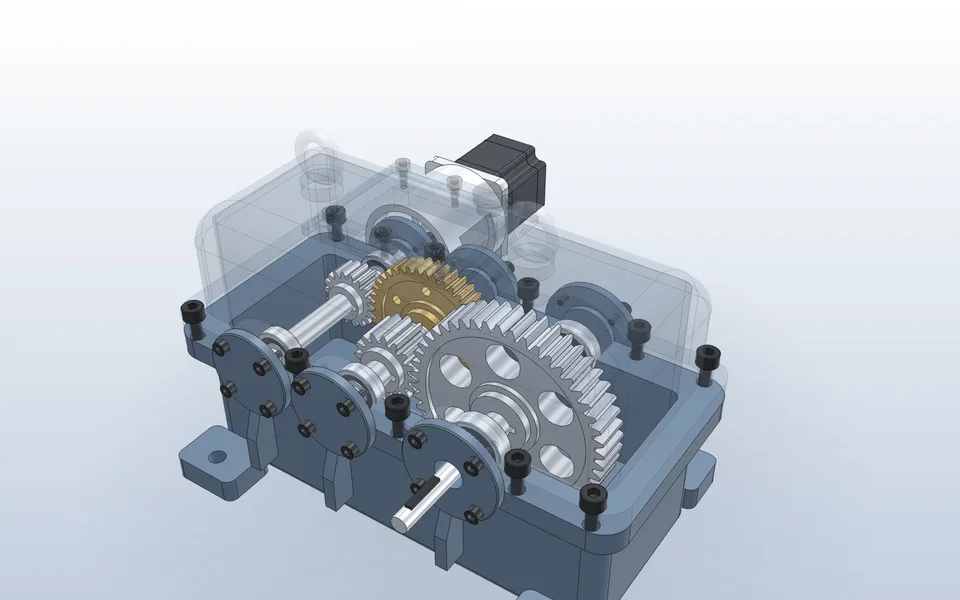
Vector models the involute gear from module and tooth count, sets the center distance, adds the gear mate, and runs a motion study through both stages.
See the example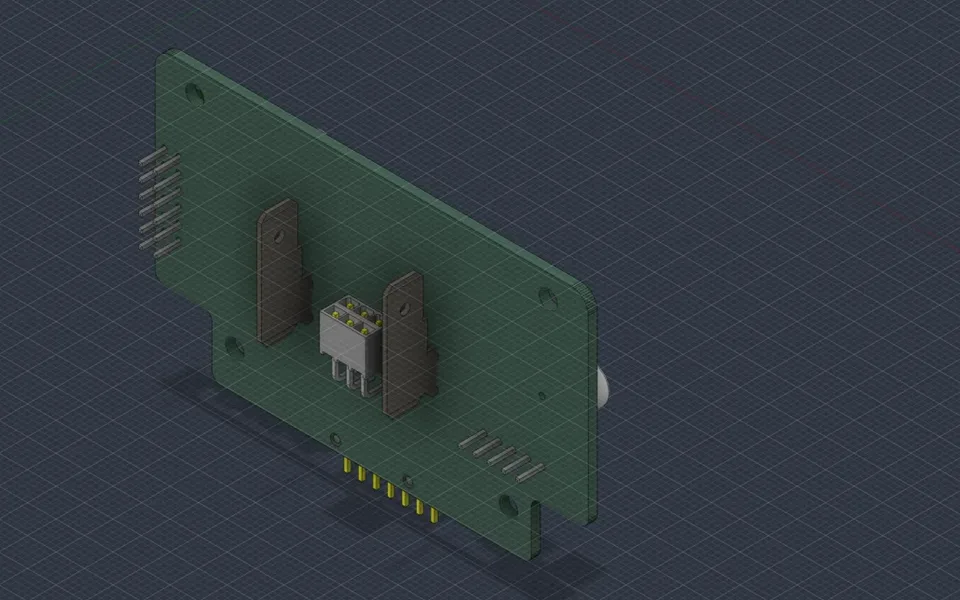
When an upstream part changes, Vector lists every joint, projection, and extent that depended on it, repairs the unambiguous ones, and asks about the rest.
See the example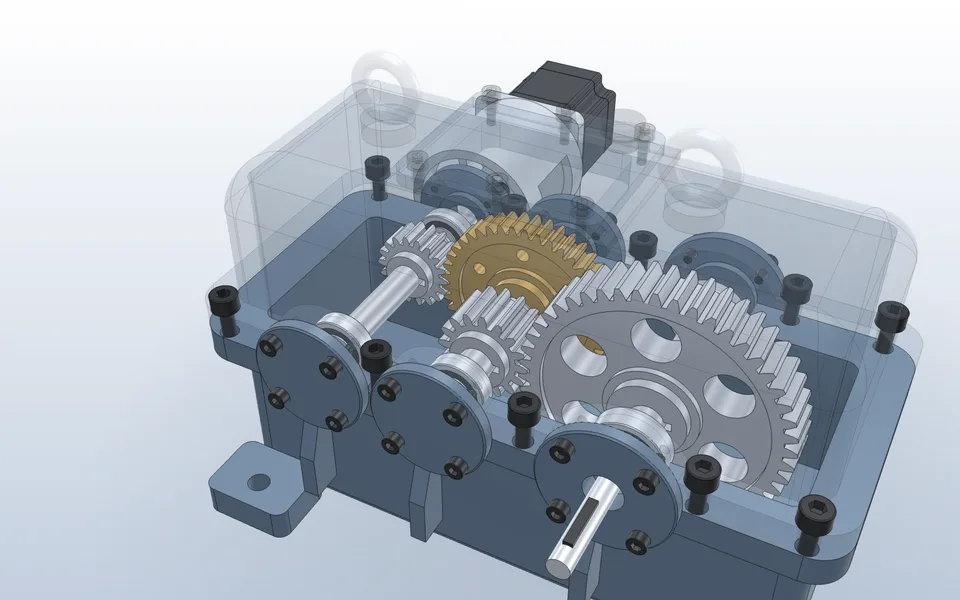
Vector reads the gear, shaft, and bearing geometry from the assembly, runs the stress and life calculations in Python, and tells you which parts won’t survive the change.
See the example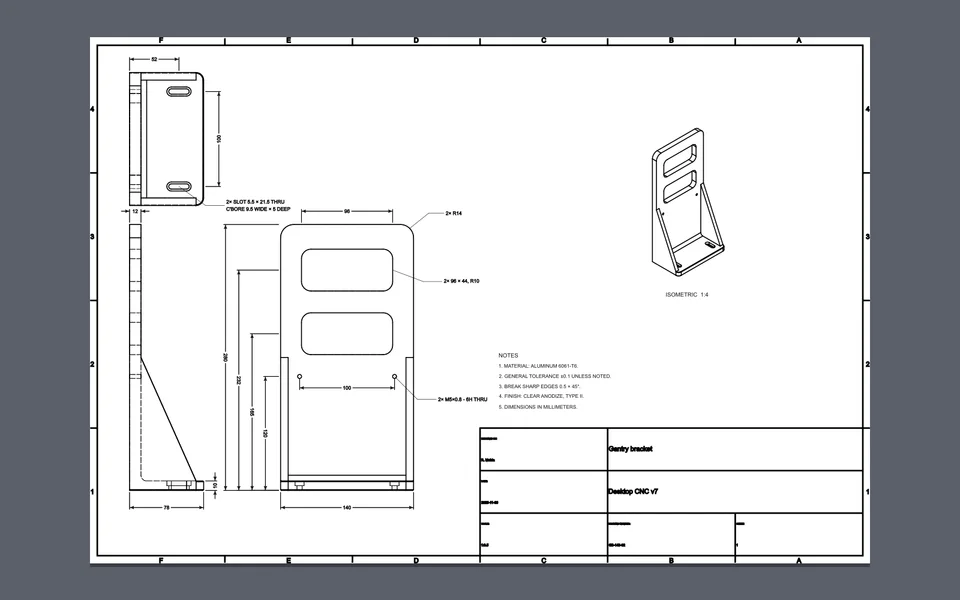
Vector places the views on a standard sheet, dimensions every feature once, calls out holes and slots, fills in the title block, and exports a PDF.
See the example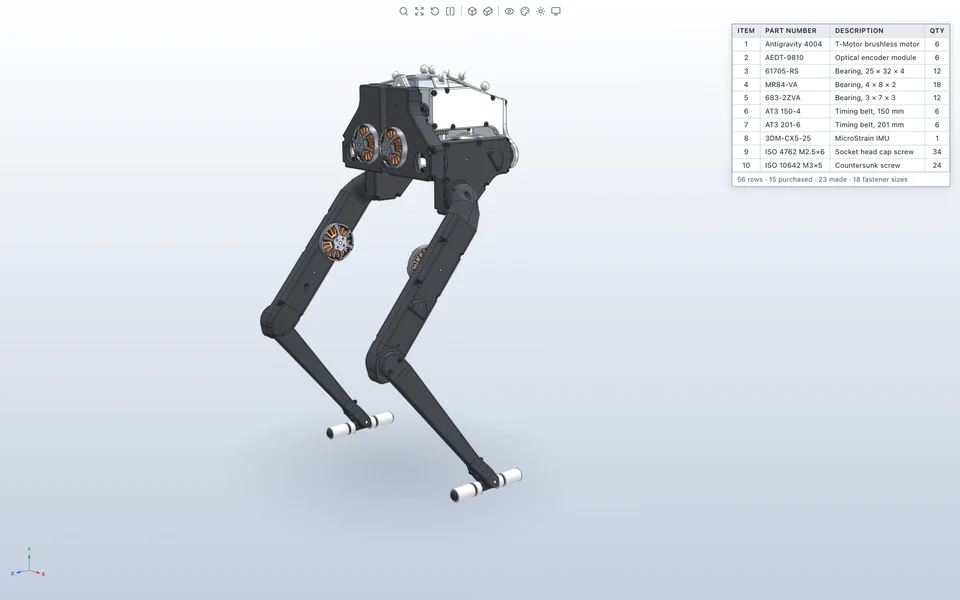
Vector reads every component, separates purchased parts from the ones you make, fills in part numbers, and exports a BOM with quantities for the build you’re planning.
See the example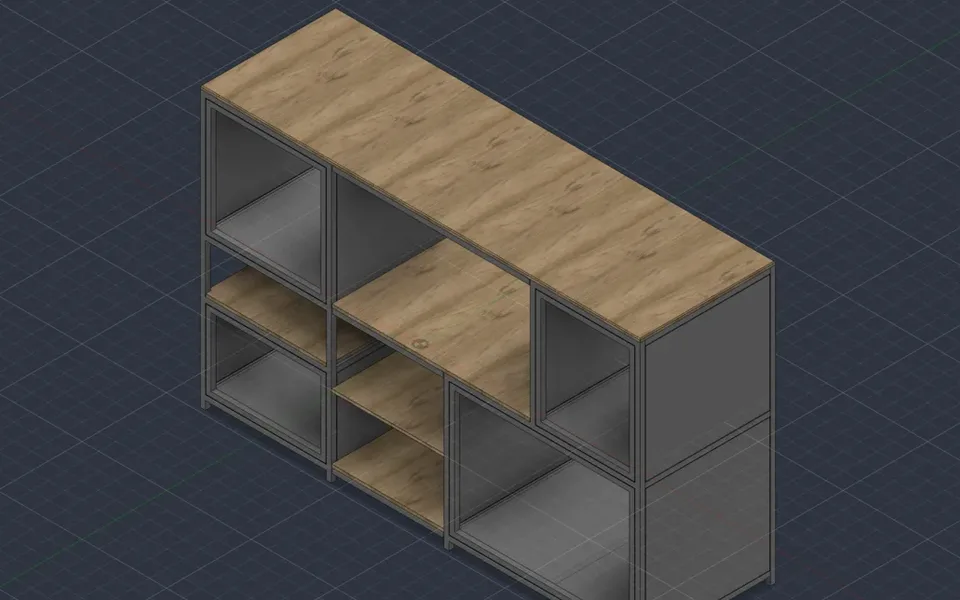
Vector builds the drawing package from the assembly with views, scale, and a sheet index. Every drawing stays associated with the model.
See the example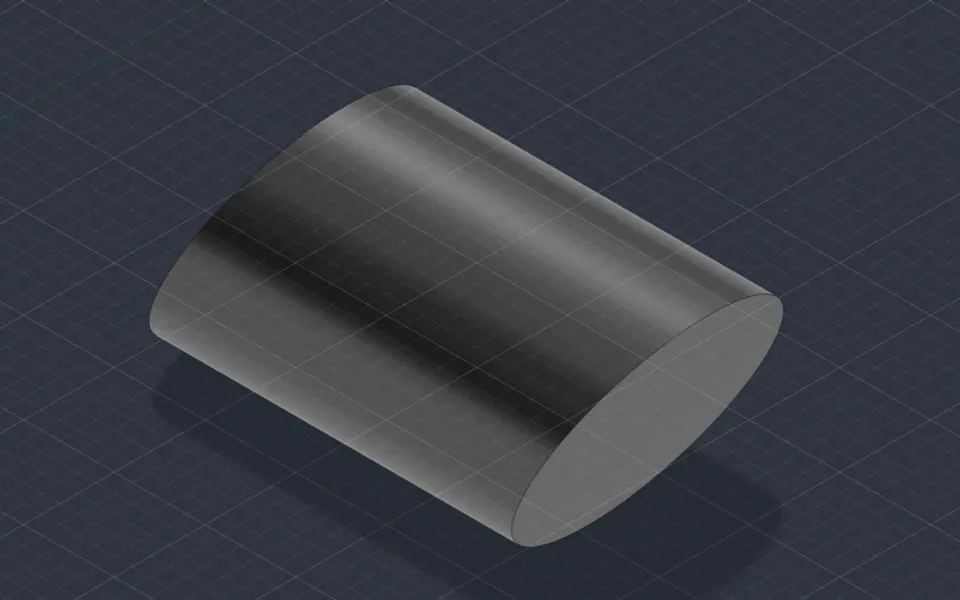
Vector places the views, adds diameter and angular dimensions, and reports anything Fusion can’t produce on the sheet.
See the example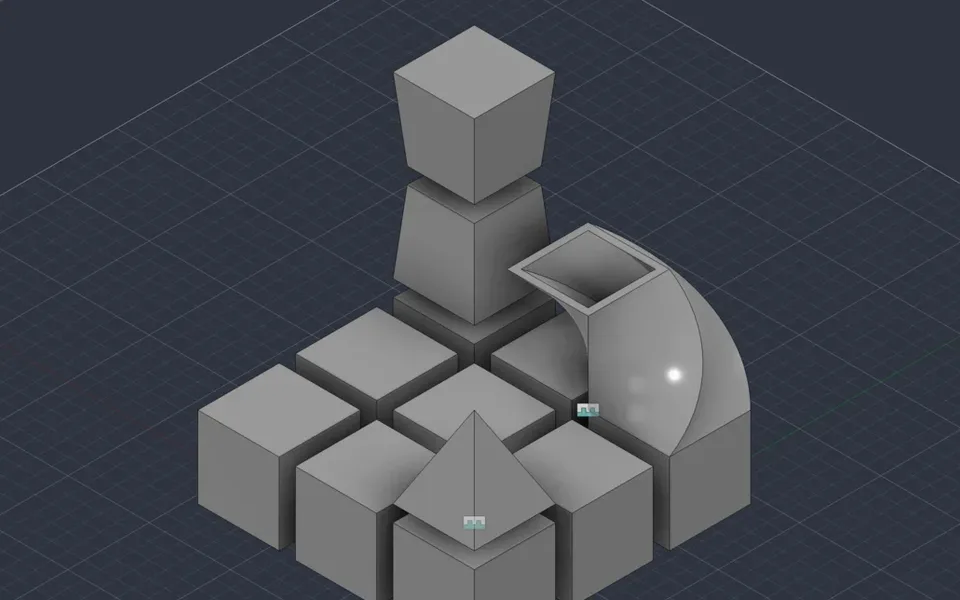
Vector writes a STEP file for each visible solid, with consistent names and an index, and leaves the design unchanged.
See the example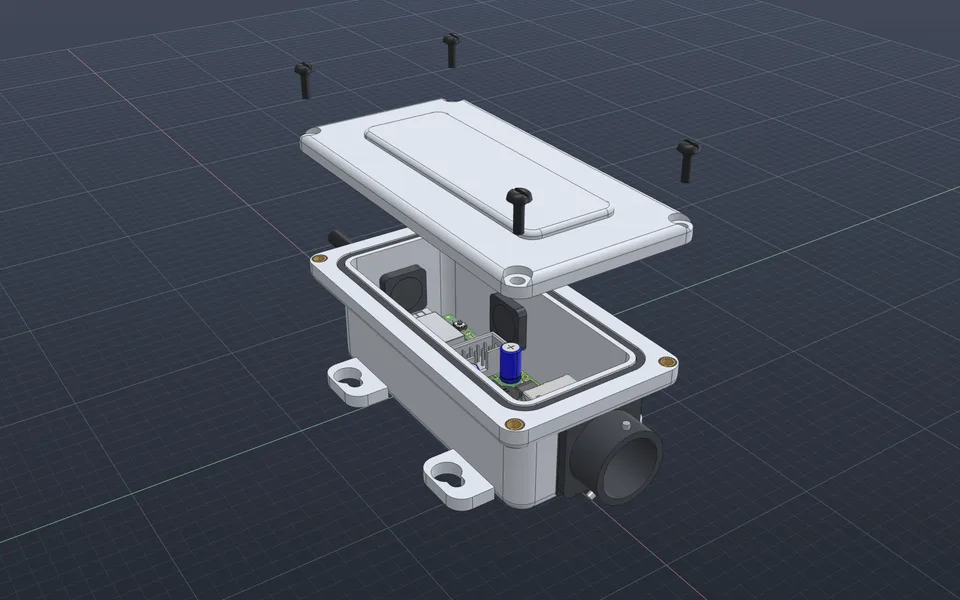
Vector measures the board’s outline, mounting holes, and tallest parts, then models a gasketed case with inserts, sealed connectors, and cable glands, and checks every clearance before you print.
See the example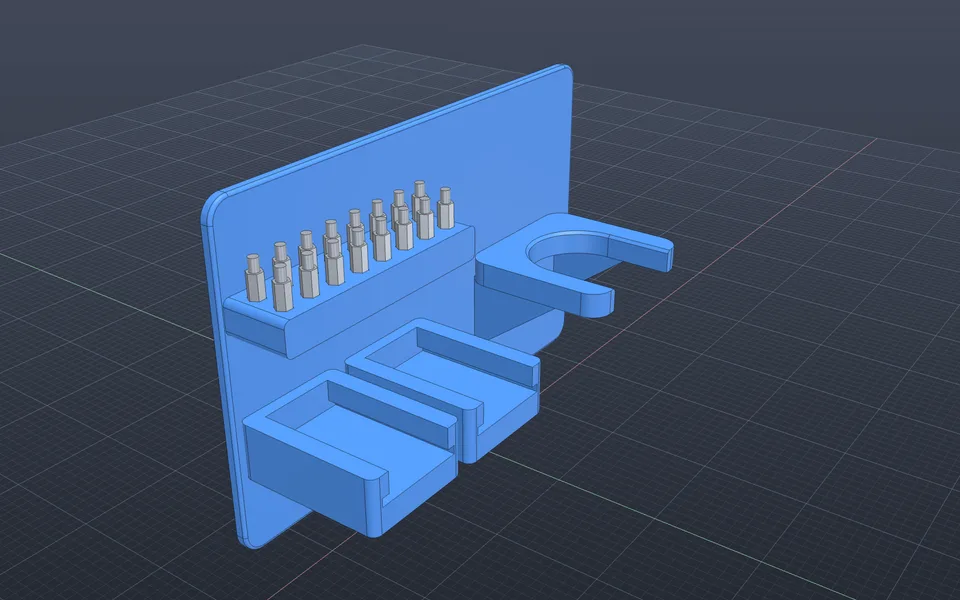
Vector sizes the holster, battery docks, and bit sockets from your measurements with print clearances, checks the fit against reference bodies, and orients the part so it prints without supports.
See the example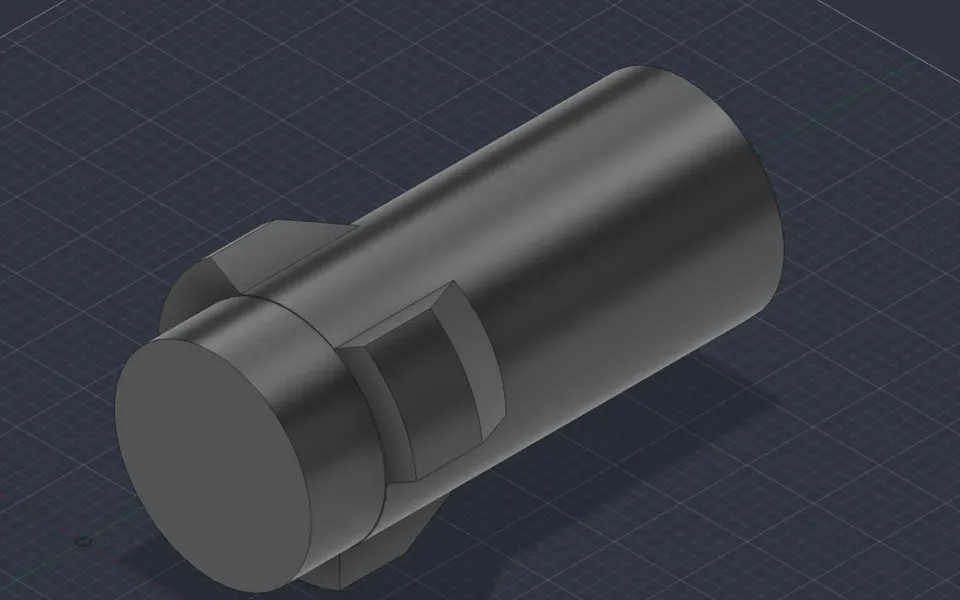
Vector converts the mesh, rebuilds planar and cylindrical regions as true faces, and keeps critical interfaces such as bores and flats.
See the example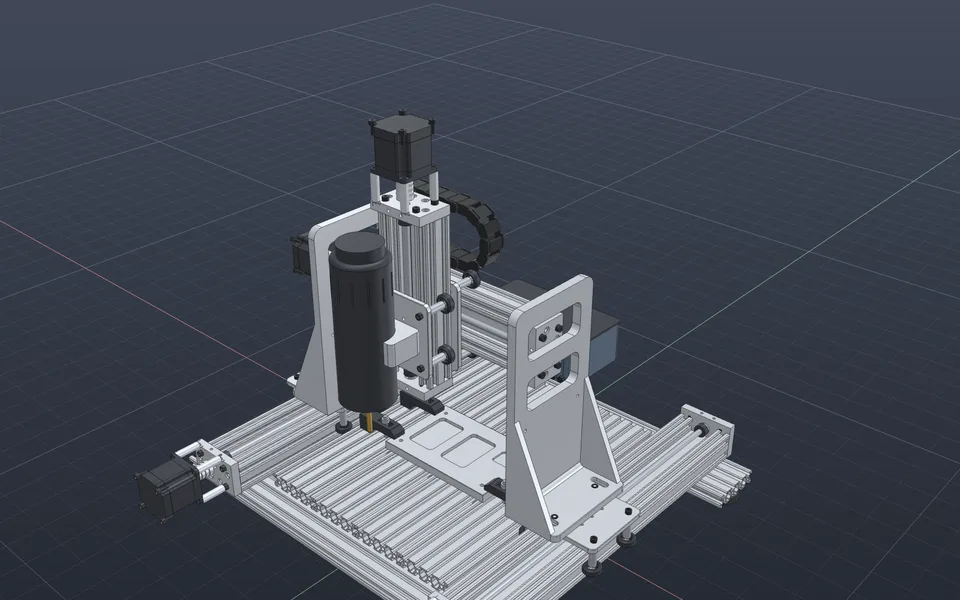
Vector checks how the part is dimensioned and which joints depend on it before changing the width, so the slots, holes, and mating parts end up where you intended.
See the example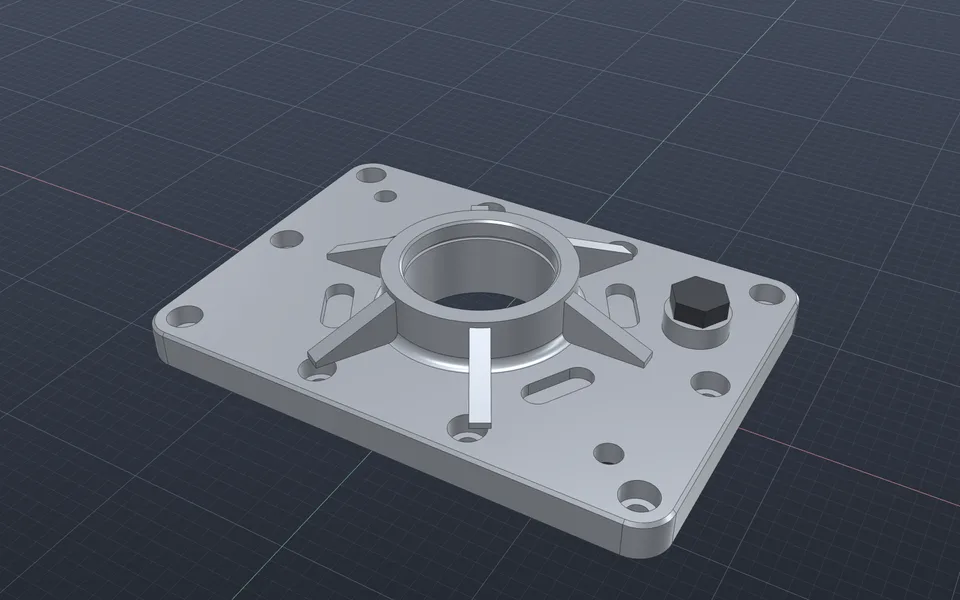
Vector finds the first feature that failed, reselects its lost reference by geometry, and recomputes the rest of the timeline without reverting your edit.
See the example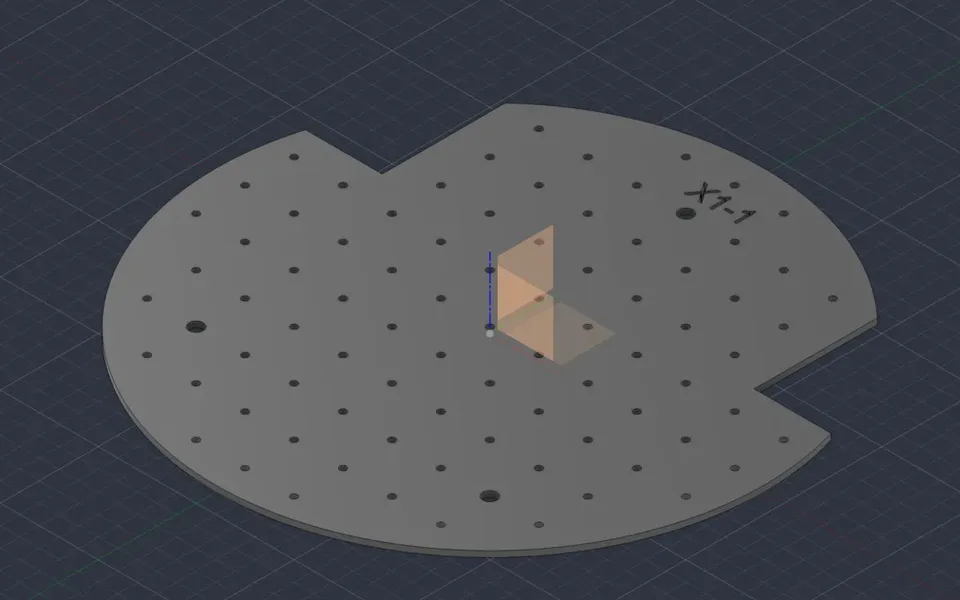
Vector finds the earliest unhealthy feature in the timeline, repairs it, and recomputes everything downstream.
See the example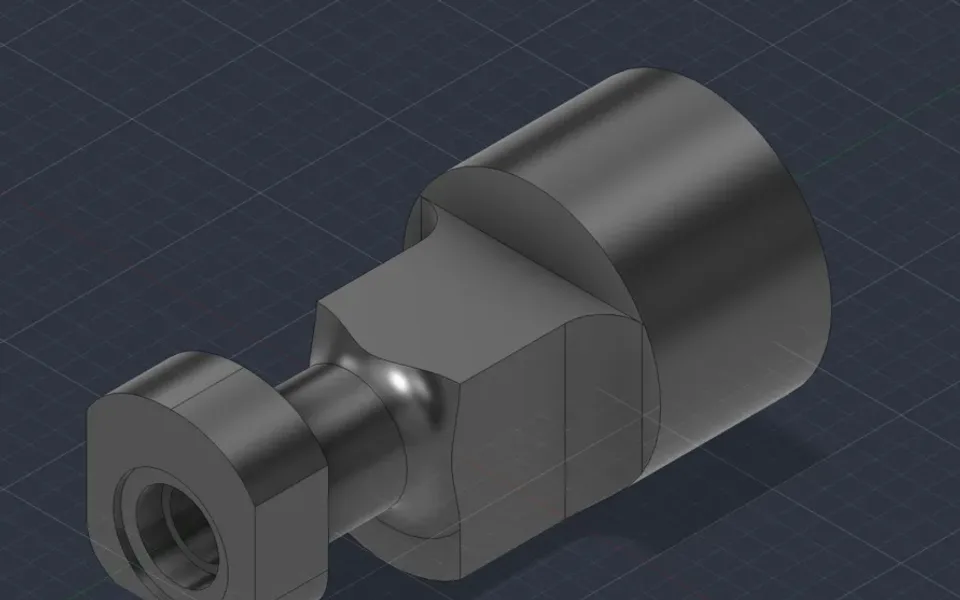
When one edge fillets and its match fails, Vector compares the two, rebuilds the failing feature, and leaves the rest of the body unchanged.
See the example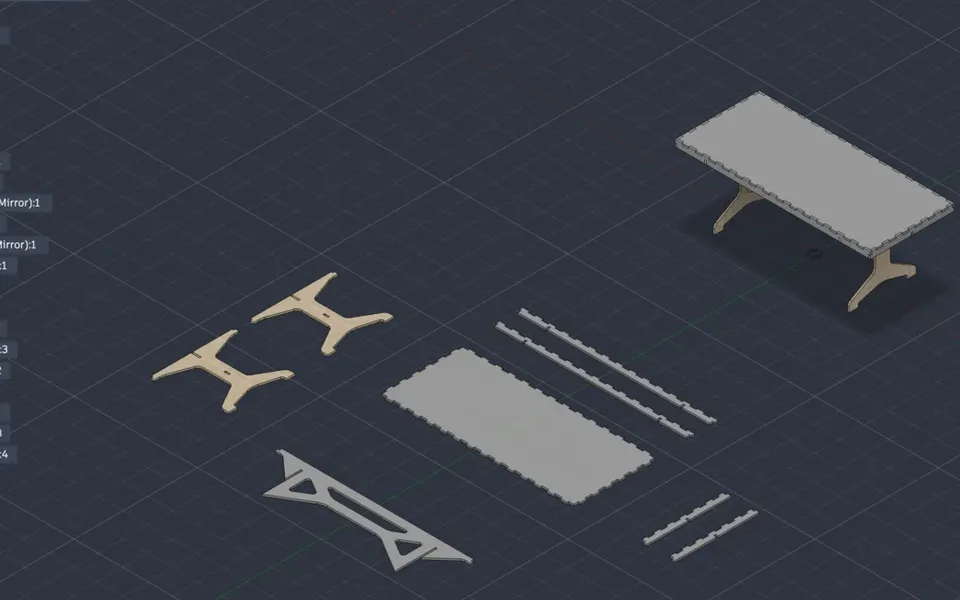
Vector relinks broken sketches and features to stable planes and axes, and asks before choosing between ambiguous faces.
See the example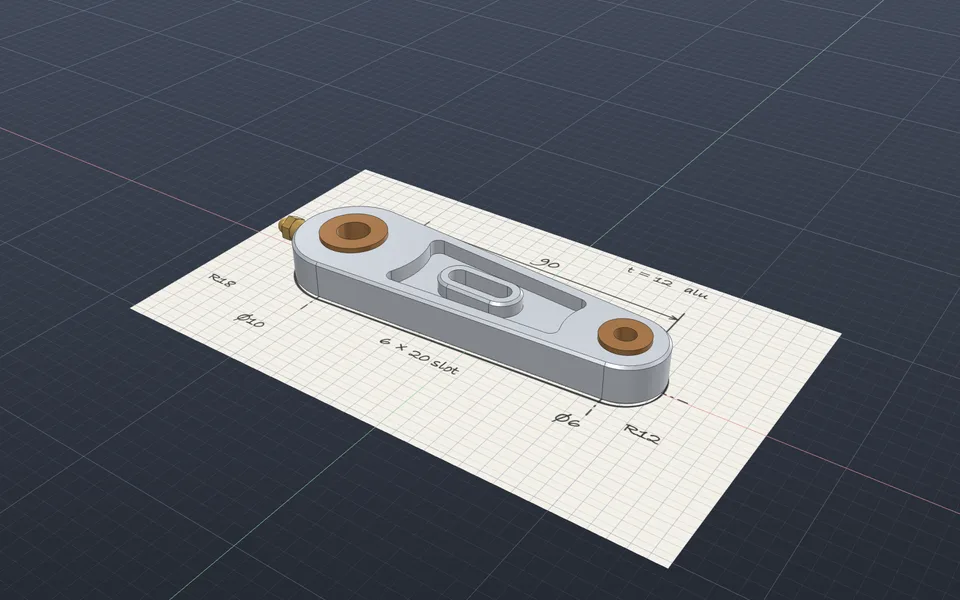
Vector inserts the photo as a canvas, scales it from a known dimension, and builds a fully constrained part with the hole spacing as a user parameter.
See the example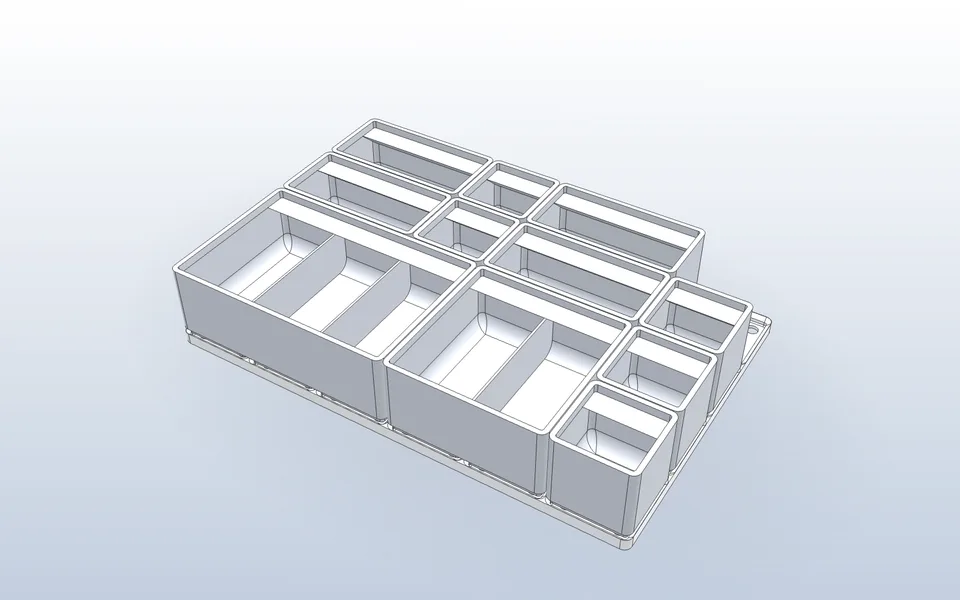
Vector drives the changing dimensions from equations, builds each size as a configuration, places them in an assembly, and exports a file for each size.
See the example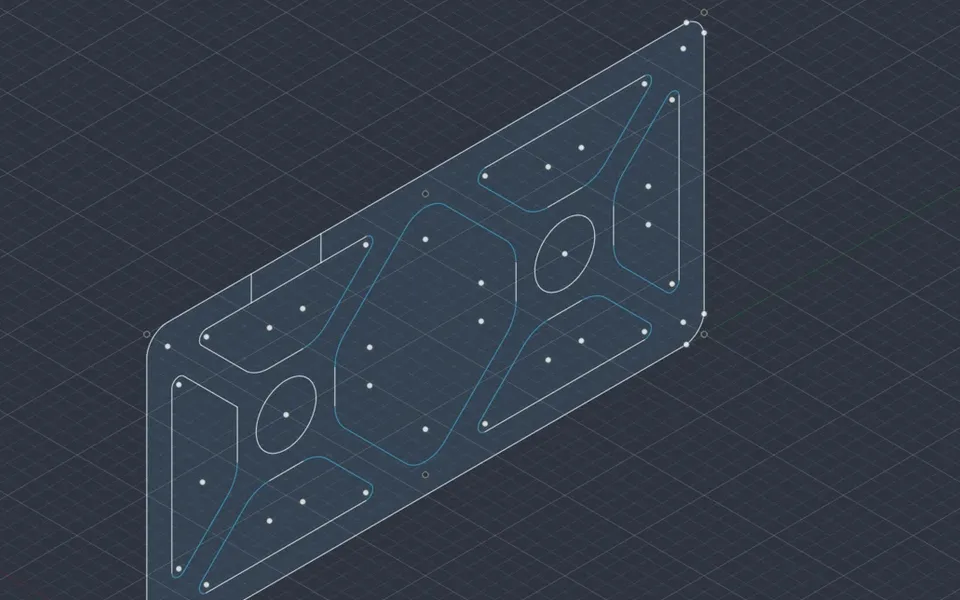
Vector adds the geometric constraints and driving dimensions the profile needs, without falling back on Fix constraints.
See the example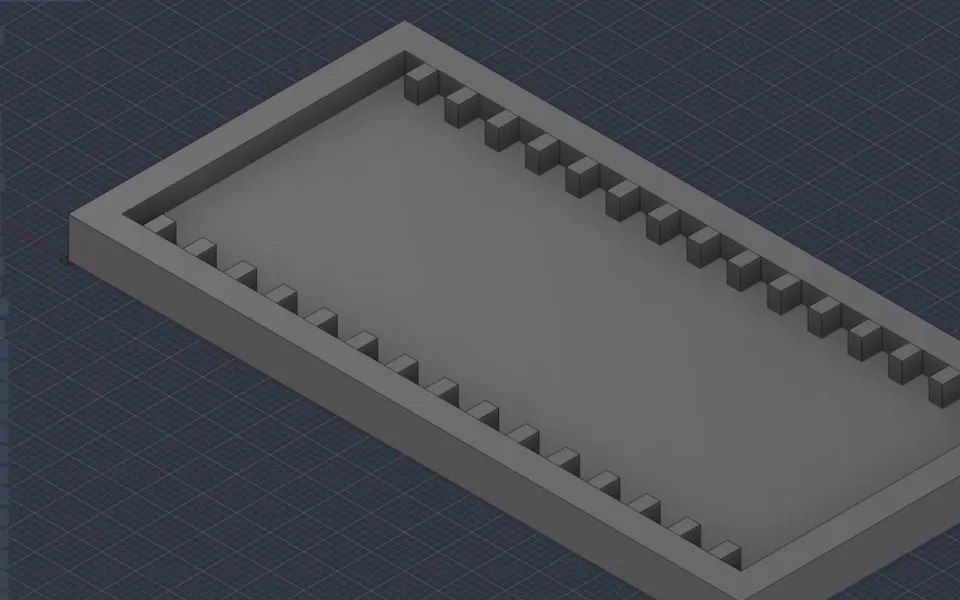
Vector detects repeated geometry and replaces the copies with a pattern driven by your parameters, so it updates when the design grows.
See the example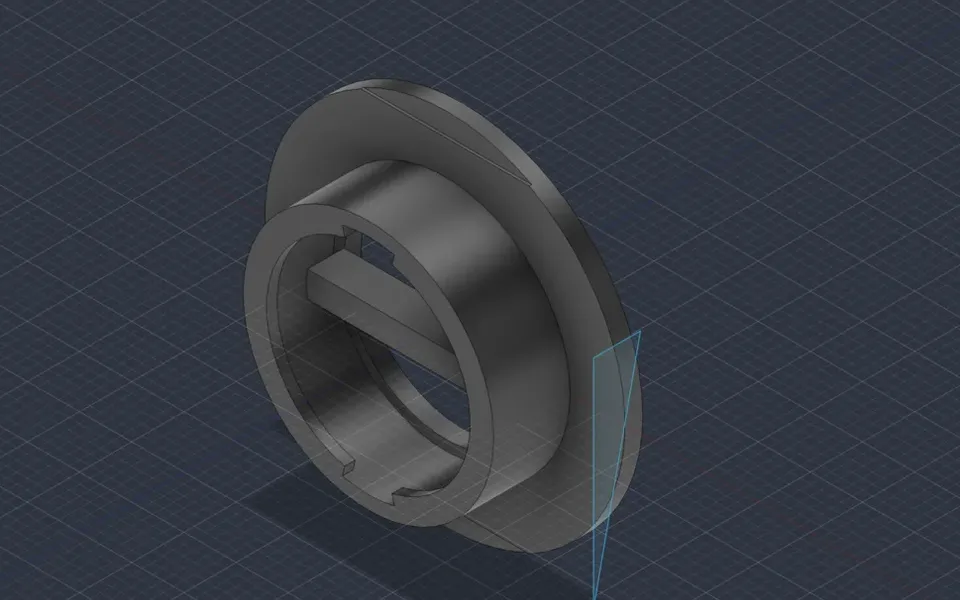
Vector shows the missing step on the design you have open, then makes the edit if you want it.
See the exampleAn Artec 3D scan of a motorcycle triple clamp, rebuilt as a parametric model in 37 sketches. Change a bore, the spacing, or the web, and the casting rebuilds around it.
Read the case study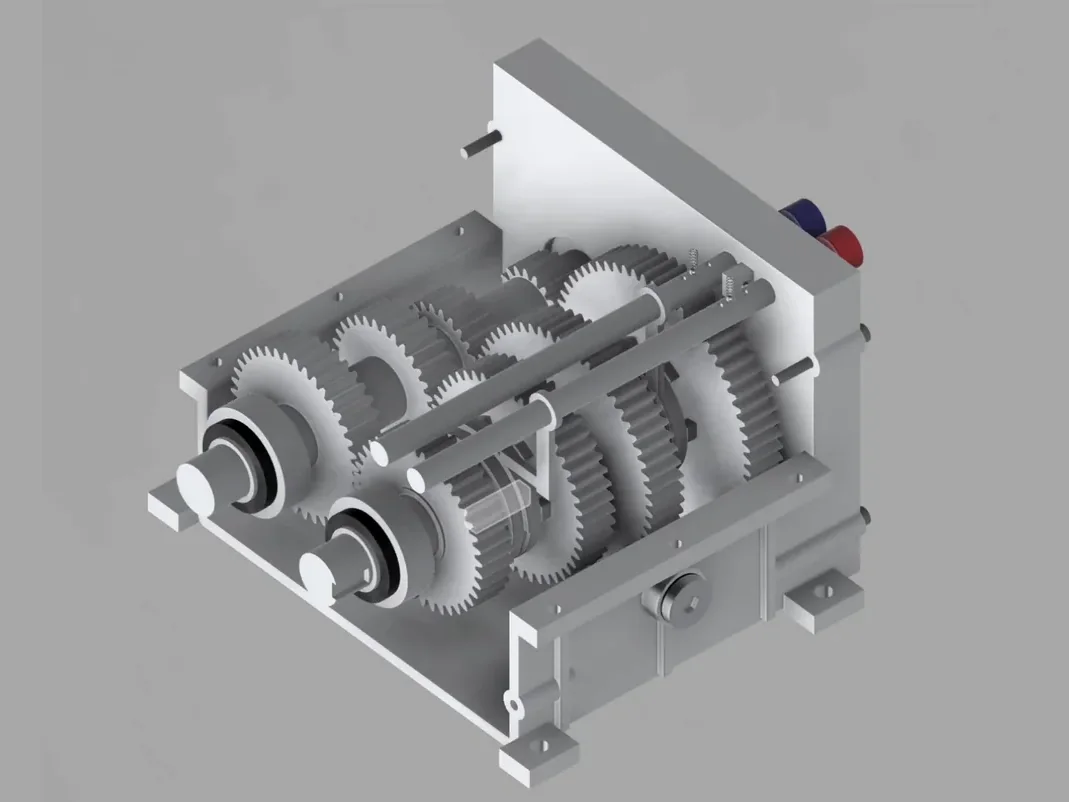
A four-speed gearbox designed from a written brief: 93 solids, with all four ratios measured from the assembly in motion.
Read the case study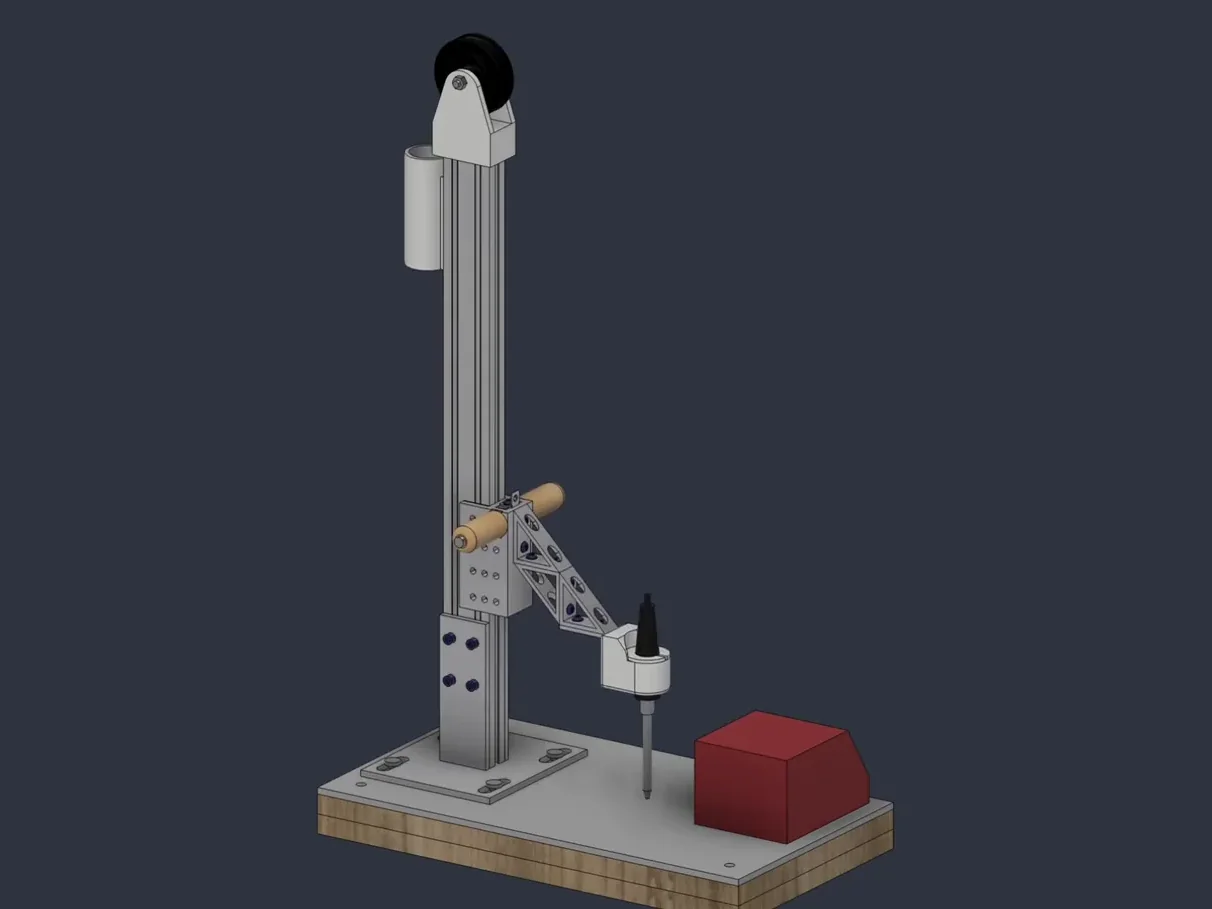
NASA HUNCH’s heat-stake press, modeled from its published drawing set: eleven custom parts, catalog hardware, and a working mechanism, checked against the sheets.
Read the case studyVector runs on Windows and works with Autodesk Fusion, SOLIDWORKS, and Bambu Studio.


